About Royal India Journey
Learn how Royal India Journey plans private tours and chauffeur-driven travel for Delhi NCR, Agra, Jaipur, Rajasthan and other routes available on request.
Our Approach to Chauffeur-Driven Travel
Royal India Journey plans road travel around a simple service principle: the route, vehicle and daily schedule should suit the travellers using them. From heritage cities and pilgrimage circuits to hill routes and airport transfers, each enquiry is reviewed according to the pickup, destination, dates, group size and luggage shared by the customer.
Our operating model is clear: vehicles are offered with a chauffeur, and the website does not advertise self-drive rental. Before confirming a booking, customers should review the written quotation, requested vehicle category, passenger capacity, pickup details and trip-specific inclusions with the travel desk.
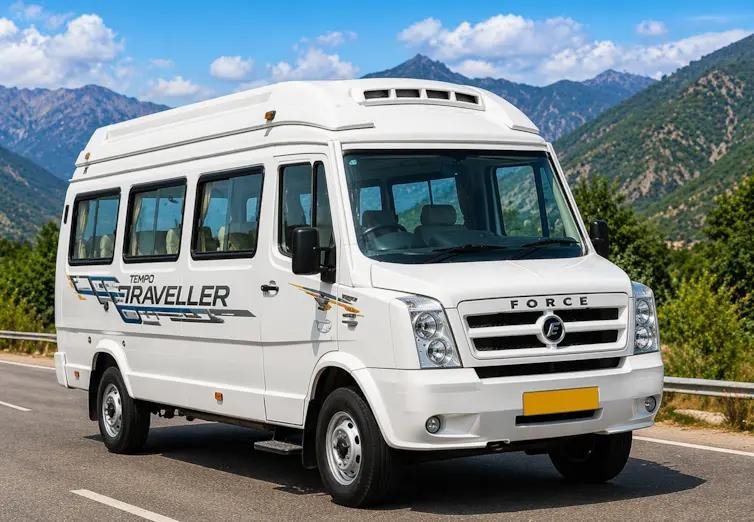
Available categories shown on the website include sedans, MUVs, Tempo Travellers and coaches. A displayed model is a planning reference rather than an automatic availability guarantee; the suitable category and final vehicle must be reconfirmed for the selected route and travel date.
Our Core Standards
The operational guidelines that make every journey with Royal India Journey comfortable, predictable, and secure.
Verified Chauffeurs
Driver identity, licence details and trip assignment should be reconfirmed by the travel desk before dispatch.
Punctual Dispatch
Pickup time, reporting point and contact details are recorded during confirmation so both sides share the same schedule.
Transparent Invoicing
Customers are encouraged to check whether tolls, parking, permits, taxes and driver allowance are included or payable separately.
Direct Travel Desk
Call or WhatsApp +91 9258732809 for availability, quotation questions and booking coordination.
About Our Chauffeur-Driven Travel Service
The following sections explain the actual enquiry, planning and confirmation process without presenting unverified awards, business-history claims, customer counts or fixed availability.
Our Chauffeur-Driven Travel Service Model
Royal India Journey presents private tour planning and chauffeur-driven vehicle services for travellers who want road transport coordinated around a specific itinerary. The service model shown on this website is chauffeur-driven only; it does not advertise vehicles for self-drive use. An enquiry can cover a local transfer, airport or railway pickup, intercity cab, sightseeing day, multi-day tour, pilgrimage route or group journey. Because these trip types involve different distances, reporting times, luggage requirements and road conditions, a website card should be treated as a starting point for discussion rather than an automatic booking confirmation.
The planning process begins with information supplied by the traveller: pickup city and address, destination or route, travel date, preferred reporting time, number of passengers, approximate luggage and any important requirements. For a tour, the traveller may also share hotel plans, arrival details, places of interest and the desired pace. The travel desk can then discuss an appropriate category such as a sedan, MUV, Tempo Traveller or coach. Vehicle names and photographs help explain categories, but the exact model, registration, amenities and availability need to be confirmed for the requested date.
This distinction protects customers from making assumptions based only on a photograph. Seating capacity does not always equal comfortable touring capacity when every passenger carries a large bag, and a vehicle suitable for a city transfer may not be the best choice for a long family circuit. A written quotation should therefore identify the planned service, route, duration, vehicle category and major inclusions. Royal India Journey can be contacted by phone, WhatsApp or the enquiry form, but sending a message is an enquiry only. A reservation becomes actionable after availability, commercial terms and booking instructions have been shared and accepted.
How Custom India Tour Planning Works
A custom India tour is planned by connecting realistic travel time with the places a traveller actually wants to experience. Popular routes on this website include Delhi, Agra, Jaipur and wider Rajasthan journeys, alongside spiritual, hill and regional circuits. These examples are not rigid promises that every attraction can be covered in every duration. Monument opening days, seasonal daylight, road conditions, local traffic, hotel location, traveller mobility and arrival time can change the practical order of a day. The useful first step is therefore to identify essential stops and separate them from optional additions.
When an itinerary is discussed, each travel day should allow time for hotel departure, driving, comfort breaks, meals, entry procedures, sightseeing and check-in. A same-day journey requires a different pace from a multi-day private tour. Families travelling with children may prefer fewer stops and an earlier finish, while heritage-focused travellers may need more time with a local guide. Senior travellers or pilgrims may need shorter walking periods and rest near the vehicle. Customers should mention these needs before quotation because they can influence routing, vehicle choice and the amount of usable sightseeing time.
Royal India Journey’s tour pages provide route ideas, practical guides and enquiry links so travellers can compare possibilities. Final attraction entry tickets, guide services, hotel rooms, meals, activities and special access should never be assumed unless they appear in the written inclusion list. Opening hours and government rules can also change, so important visits should be reconfirmed close to travel. The objective of custom planning is not to fill every hour with claims; it is to create a route that can be operated responsibly. Internal links to India tour packages, destination guides and individual itinerary pages provide the next layer of planning detail.
Vehicle Selection, Seating and Luggage Guidance
Selecting a chauffeur-driven vehicle requires more than matching a passenger number to a seat count. The correct category depends on how long the group will remain in the vehicle, how much luggage must be carried, whether child equipment is requested, the type of roads on the route and the level of cabin space travellers expect. A compact sedan can be practical for a couple or small party with controlled luggage, while an MUV may offer a more flexible cabin for a family. Tempo Travellers and coaches can support larger groups, subject to the chosen seating configuration and the luggage arrangement confirmed for that vehicle.
Capacity descriptions on the fleet pages are category guidance. They should not be read as a guarantee that the maximum listed passengers plus unrestricted baggage will fit comfortably. Suitcases, wheelchairs, pushchairs, sports equipment and bulky shopping can reduce usable capacity. Travellers should share the number and approximate size of bags during the enquiry. For airport transfers, flight number and terminal help the desk understand timing; for long tours, the trip duration matters because travellers usually carry more luggage. If cabin configuration, air conditioning, charging access or another amenity is essential, it should be written into the request and reconfirmed instead of inferred from an image.
The website includes representative vehicle photographs to make browsing easier. Colour, trim, model year and exact vehicle can vary according to operational availability, so the quotation or confirmation should identify what is being offered. Substitution terms should also be understood if an assigned vehicle becomes unavailable. Customers can review the fleet directory and then request a recommendation based on route, travellers and bags. This process is more reliable than choosing only by appearance. It also gives the travel desk enough information to avoid an undersized category and helps the customer compare options on a consistent basis before making a payment decision.
Chauffeur Assignment and Journey Coordination
A chauffeur-driven booking depends on clear coordination between the traveller, travel desk and assigned driver. The website describes professional chauffeur service as the operating format, but customers should still receive trip-specific information before departure. Useful confirmation details include the driver’s name and contact number, vehicle registration or identification, pickup time, exact meeting point and a contact route for questions. Where identity or licence verification is important to the customer or organisation, that requirement should be raised before confirmation so the applicable documentation process can be explained rather than assumed.
For an airport or railway pickup, the customer should supply the correct date, arrival reference, terminal or station, passenger phone number and expected luggage. Flight or train delays can affect pickup coordination, so both sides should agree how changes will be communicated and whether waiting time terms apply. For hotels, gated properties and large venues, a precise entrance or landmark is more useful than a city name alone. On a multi-day tour, the next morning’s reporting time should be agreed in advance. Travellers should keep the desk informed if the route or schedule changes because additional distance, time, parking or permits may affect feasibility and cost.
Safe road travel is a shared responsibility. A proposed programme should allow reasonable driving and rest time, particularly on overnight, mountain or long-distance sectors. Customers should not rely on an unrealistic itinerary that requires continuous driving merely to add another stop. Seat belts should be used where fitted, children should be supervised, and valuable belongings should not be left unattended. Road closures, weather, traffic control and authority directions can require a route change. Royal India Journey can coordinate the booked service, while the customer can improve the journey by sharing accurate details, keeping reachable contact information and reviewing the final trip plan before departure.
Quotation, Inclusions and Payment Clarity
Chauffeur-driven travel is quoted according to the requested journey rather than a single card price that suits every customer. Route, pickup location, travel dates, trip duration, vehicle category, kilometres, reporting hours, interstate movement and seasonal demand can all influence an offer. For this reason, buttons on the website open an enquiry or a prefilled WhatsApp message. They do not create an instant confirmed fare. The customer should provide complete information and request a written quotation that can be reviewed before any booking amount is paid.
A useful quotation identifies the service dates, planned route, vehicle category, base transport charge and what the amount includes. Customers should specifically check tolls, parking, interstate tax, permits, driver allowance, extra kilometres, extra hours, night charges, airport parking and applicable taxes. For tour packages, hotel accommodation, meals, monument tickets, local guides, activities and personal expenses should be marked as included or excluded. If a term does not appear in writing, it should be clarified. “Custom quote” means the commercial offer is built around the supplied trip; it should not be interpreted as a promise that every incidental expense is covered.
Before payment, travellers should verify the payment recipient details provided through the official conversation, the amount due, the balance schedule and the applicable cancellation or amendment conditions. They should retain the quotation and payment record. A change of date, passenger count, pickup point, route or duration may require a revised quotation because it changes the service requested. Website users can review the terms and conditions, cancellation policy and contact page for the currently published process. Direct clarification is preferable to assuming a condition from a promotional card.
Service Areas, Routes and Operational Availability
Royal India Journey’s website focuses on chauffeur-driven travel connected with Delhi NCR, Agra, Jaipur, Rajasthan and major India tour circuits. It also presents tour ideas for other regions and destination themes. This does not mean that the same vehicle is permanently stationed in every city or that every route is automatically available on every date. “Pan India” describes the enquiry scope and planned travel network shown by the services, while actual pickup feasibility, vehicle supply, permits and commercial terms remain subject to trip-specific confirmation.
Intercity travel can cross state boundaries and different road environments. Toll systems, entry restrictions, hill-route requirements, local parking rules and seasonal closures may affect the plan. Some city centres restrict larger vehicles, while pilgrimage and mountain routes can use traffic-control schedules or locally authorised transport arrangements. Customers should share every overnight stop and intended diversion so the travel desk can assess the complete movement instead of quoting only the headline cities. A one-way transfer, round trip and multi-day disposal are different services even when they begin on the same road.
Pickup outside a primary operating area may involve vehicle positioning or a locally coordinated option. That possibility, along with any related charge, should be explained in the quotation. Travellers can use the popular routes page for corridor ideas and the cab services page to compare local, outstation, airport and group transport. For remote locations, special events or high-demand dates, early enquiry gives more time to evaluate a suitable category. Final confirmation should always state the pickup location and service date clearly; a destination appearing on the website is informational and is not by itself proof of availability.
Responsible Booking and Traveller Preparation
A well-prepared booking reduces preventable confusion on the travel day. Before confirming, the lead traveller should check the spelling of names where required, active phone numbers, arrival details, hotel addresses, pickup date and time, passenger count and baggage. International travellers should keep valid travel documents and follow current entry or permit requirements applicable to their itinerary. Indian residents should carry identification requested by hotels, attractions or authorities. Royal India Journey coordinates transport and tour planning described in the quotation; travellers remain responsible for personal documents, visas, medical advice and compliance obligations that apply to them.
Health, accessibility and comfort requirements should be disclosed early enough to evaluate the service. A traveller who uses a wheelchair may need to explain whether it folds and how much luggage accompanies it. Families should ask about child-seat availability rather than assuming it is standard equipment. Anyone affected by long drives, mountain altitude, heat or motion sickness should seek appropriate professional guidance and plan breaks. Dietary needs matter when meals are part of an itinerary, but a transport-only quotation does not automatically include food. These details help shape a realistic schedule without requiring the customer to share unrelated sensitive information.
During the journey, passengers should protect valuables, use available restraints, follow lawful instructions and keep aisles or exits clear in group vehicles. The lead traveller should communicate major changes through the agreed contact channel. If a concern arises, recording the time, location and practical issue makes resolution easier than waiting until the trip ends. Weather, traffic, demonstrations, authority restrictions or mechanical issues can disrupt road travel despite advance planning; the appropriate response depends on the circumstances and the booked terms. Responsible booking means understanding what is confirmed, preparing for foreseeable needs and allowing reasonable flexibility for conditions outside any travel operator’s control.
How to Contact Royal India Journey and Confirm a Booking
Customers can contact Royal India Journey by calling or messaging +91 9258732809, or by submitting the website enquiry form. For a useful first response, the message should include the pickup city, complete route, travel date, approximate reporting time, number of adults and children, luggage summary and preferred vehicle category if known. Tour enquiries should also mention the number of days, desired destinations and whether hotels or transport only are required. The prefilled WhatsApp buttons make it easier to identify the relevant vehicle or package, but customers can edit the message before sending it.
After receiving the request, the travel discussion should resolve availability, route feasibility, vehicle category and quotation terms. The customer should ask for unclear inclusions to be written down and should verify any material change made during the conversation. Sending an enquiry, receiving an automated page message or viewing a vehicle card does not by itself reserve a vehicle. Confirmation requires the booking steps communicated for that particular request, including acceptance of the commercial terms and any applicable payment. Customers should avoid sending unnecessary identity or payment information through a public form and should use the agreed channel for required booking records.
Before departure, the traveller should have a final service summary containing the correct date, pickup point, route and agreed category, together with relevant contact information. For questions about privacy, cancellation or service conditions, the corresponding policy pages should be reviewed before commitment. The Contact Us page provides the direct enquiry options, while Online Enquiry collects structured trip details. This About Us page intentionally avoids claims about establishment year, awards, fleet ownership, completed-trip numbers or guaranteed response hours because those facts are not established by the available website information. Its purpose is to explain the service transparently and help customers ask the right questions.
Experience Chauffeur-Driven Hospitality
Let us take care of the highway driving and parking while you relax and enjoy the scenic heritage of India.